The question behind most masonry calls
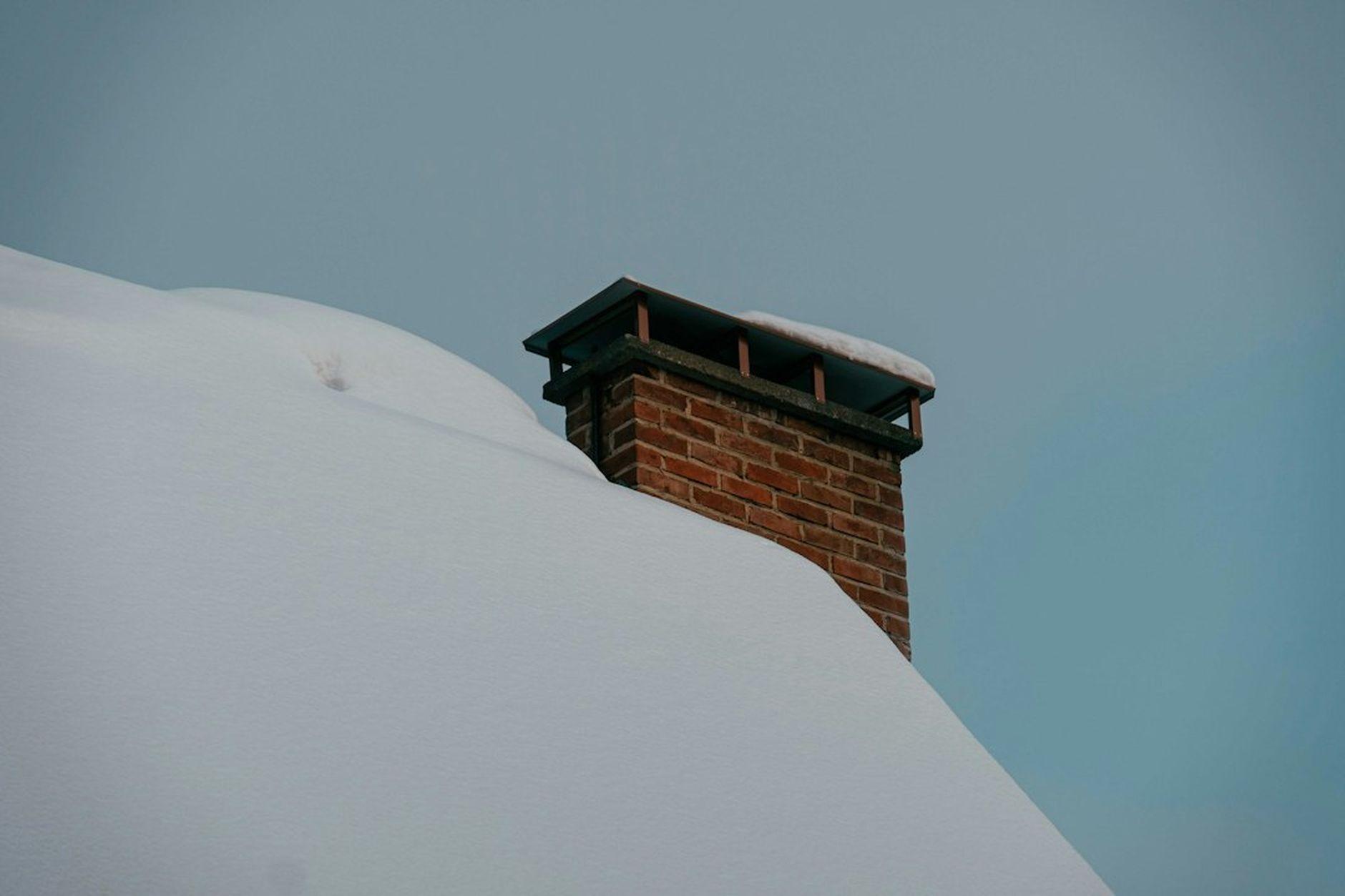
Sooner or later, an owner standing in the yard and squinting up at a weathered stack asks us whether it can be patched or has to come down. In Lawndale we hear it most from people whose roofer has just pointed at the chimney, or who have found sand and grit on the shingles below it. The honest answer comes from the brick more than the mortar, and it usually lands on one of three jobs.
Repointing: new joints, same brick
Repointing replaces the mortar between the bricks and leaves the bricks in place. The failed joints are cut back until firm material is reached, then filled again in layers and finished so water runs off the face. The new mix has to suit the old brick. A mortar that is too strong for soft, older brick makes the brick crack instead of the joint, which is the opposite of what you want from a repair.
Repointing is the right call when:
- The bricks are whole and ring hard when tapped.
- The stack stands straight and has not moved.
- The damage sits mostly in the joints on the weather side.
It is usually the smaller bill because no brick comes off the chimney.
Rebuilding: new courses from a firm point
A rebuild takes brick off and lays it up again. We work down course by course until the brick and mortar below are solid, then build back from there with sound brick, new mortar and a new crown. Where the old brick is good we reuse it, so the chimney still matches the house.
Rebuilding is the right call when:
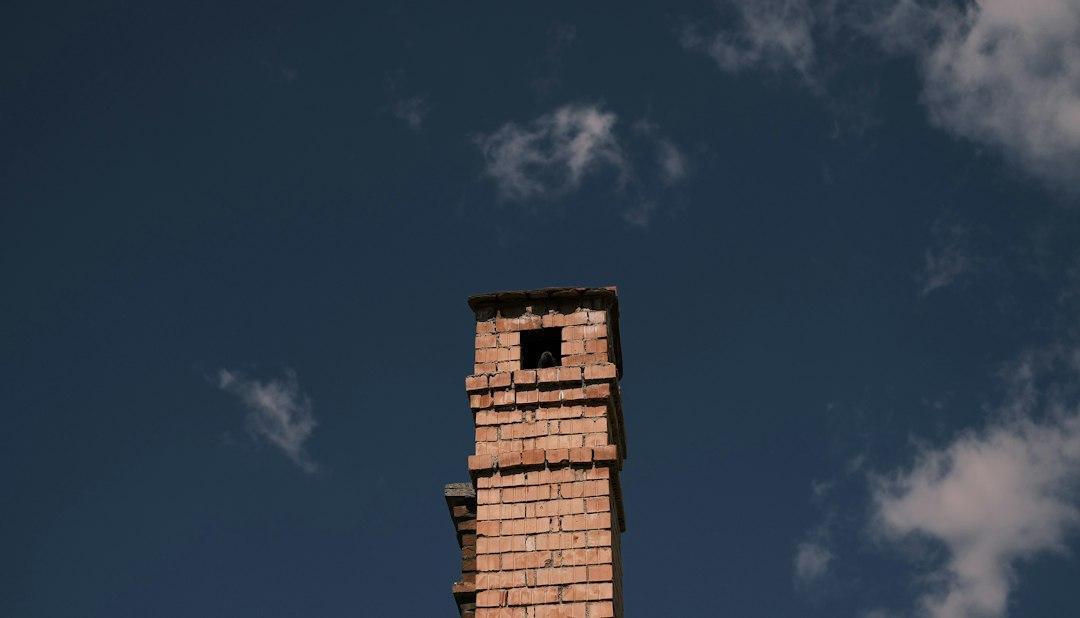
- Bricks are cracked through, crumbling or shedding their faces.
- The stack leans, or has pulled a gap open against the house wall.
- Earlier patches have failed and little firm mortar is left.
The middle option
Many chimneys sit between the two. The lower part of the stack, sheltered by the roof and eaves, is in good shape, while the last few courses at the top have taken sun, rain and salt air for decades. In that case we rebuild only the top and repoint the rest. That keeps the bill closer to a repointing job while replacing the part that actually failed.
How the choice shows up on the estimate
Where more than one route is reasonable, we write each of them. An estimate for a chimney with weathered top courses usually carries lines like these:
| Line on the estimate | What it covers |
|---|---|
| Repoint only | New joints on every face above the roof, existing crown sealed |
| Top courses relaid, rest repointed | Upper brick relaid, lower joints renewed, new crown |
| Rebuild above the roof | Every course above the roofline relaid, new crown and cap |
Beside each line we put the figure, what it includes, and how long we expect it to last before the chimney needs attention again. None of these jobs has a printed price, because the height, the brick count and the access change on every house. A cap is quoted on site, and owners often add it to whichever option they pick.
The first visit is where the estimate comes from. If nobody has looked down the flue in years, a Level 2 camera inspection at $385 shows whether the inside needs work too, which can change which option makes sense. There is little point relaying the top of a stack whose liner is cracked all the way down.
Request a masonry estimate and say whether the trouble is grit on the roof, cracked brick or a lean; we price repointing and rebuilding side by side.
What can wait
If the brick is sound and only the face of the mortar has worn, repointing can often wait a season or two while you budget for it. What should not wait is a stack that moves, brick that comes away by hand, or open joints that let water into the attic. Those are the points where a modest repair turns into a rebuild, and the estimate marks them clearly.
We tell you which group your chimney is in, and we put it in writing so the decision stays yours.
Quakes and masonry in Los Angeles County
A brick chimney is rigid, and the wood house it is attached to bends. In the strong earthquakes Los Angeles County has had, many chimneys cracked at the roofline, where the two meet. Some were patched over and never rebuilt. When we price masonry work in Lawndale we look for those old repairs: mortar of a different color, a band of newer brick, or a crack line that steps across several courses. A chimney with that history often needs the top rebuilt rather than repointed. If you want the stack braced as well, our chimney seismic retrofit page describes the choices.
Questions owners ask
Will the new mortar match the old color? Close, not exact. Fresh mortar lightens as it cures. We mix to suit the brick and let you see a sample joint first.
Can you reuse my bricks? Where they are whole, yes. Broken or soft ones are replaced with the nearest match we can find.
Does a rebuild need a permit? Some chimney work does. When yours does, the estimate says so and includes it.
Can I repoint now and rebuild later? Sometimes. If the top courses are still firm, repointing can carry the chimney for several years. If they are already loose, repointing them is money spent twice.
Our chimney repair, chimney rebuilds and chimney crown repair pages cover each job in more detail.
To get both versions priced for your own stack, go to the contact page and say where in Lawndale or the South Bay the house is.
Holding a Quote Like This One?
Lindgren looks at the job first, then writes up each option with its price and a mark on what can wait. Most visits are in Lawndale, Torrance, Inglewood, Lomita and Compton.